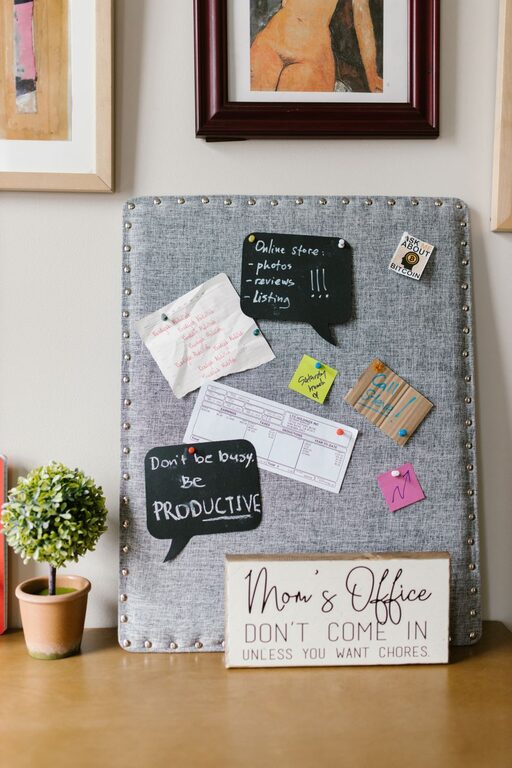

Creating a calm and quiet home environment can greatly improve your quality of life. Whether you live in a busy urban area or a noisy neighborhood, there are practical steps you can take to reduce unwanted noise inside your home. This guide covers simple, affordable, and effective methods to help you enjoy more peace and quiet without major renovations.
Why Reducing Noise at Home Matters
Excessive noise can affect your concentration, sleep quality, and overall well-being. Reducing noise inside your home creates a more comfortable space for work, rest, and spending time with loved ones. Plus, a quieter home often feels more inviting and relaxing.
Common Sources of Noise Inside and Outside the Home
Understanding where noise comes from helps target the right solutions. Common sources include:
– Traffic and street noise
– Neighbors and nearby construction
– Household appliances like washing machines or HVAC systems
– Footsteps or voices from other rooms
– Outdoor pets or birds
Simple Ways to Reduce Noise at Home
Here are several practical strategies you can try to lower noise levels.
1. Use Soft Furnishings to Absorb Sound
Hard surfaces reflect sound waves, making a room noisier. Adding soft materials can help absorb noise and reduce echo.
– Rugs and Carpets: Place thick area rugs on floors to dampen footsteps and other sounds.
– Curtains: Heavy or layered curtains reduce noise coming through windows.
– Cushions and Upholstery: Fabric-covered furniture and pillows help absorb sound inside rooms.
2. Seal Gaps Around Doors and Windows
Noise can easily enter through small gaps or cracks.
– Weatherstripping: Apply weatherstripping tape around door frames and window sashes.
– Door Sweeps: Install door sweeps at the bottom of doors to block sound from hallways or outside.
– Caulking: Use clear caulk to seal cracks around window frames and where walls meet windows.
3. Rearrange Furniture for Noise Buffering
Large furniture pieces can act as barriers that block or absorb sound.
– Position bookshelves or cabinets against shared walls to help muffle noise.
– Arrange sofas and chairs away from noisy windows or doors.
– Use room dividers to create quieter zones especially in open-plan spaces.
4. Add Sound-Absorbing Panels or Decor
For a more intentional soundproofing approach, consider:
– Acoustic wall panels or foam tiles that absorb sound waves.
– Fabric wall hangings, tapestries, or art mounted on soft backing.
– Cork boards or bulletin boards which provide additional sound absorption.
5. Manage Noise from Appliances and Electronics
Appliances and electronics can generate constant or sudden noise.
– Place noisy machines, like washers or dishwashers, on vibration-absorbing pads.
– Use soft mats under refrigerators or other appliances to reduce vibration sounds.
– Choose quieter models when replacing appliances if noise is a concern.
6. Create Quiet Zones with Plants
Indoor plants can help reduce noise by absorbing sound and adding greenery.
– Place large leafy plants in corners to reduce echo.
– Hang trailing plants near windows or balconies to buffer outdoor noise.
– Combine plants with other soft furnishings for best results.
7. Use White Noise or Sound Machines
Sometimes masking outside or ambient noise is more effective than blocking it.
– White noise machines create soothing background sounds that make unwanted noise less noticeable.
– Fans or air purifiers can also provide consistent, gentle noise masking.
– Choose sounds that help you relax, such as gentle rain or ocean waves.
Additional Tips for Noise Control
– Close Doors: Simply closing doors can significantly reduce noise traveling between rooms.
– Double-Paned Windows: Consider upgrading to double-paned windows, which provide better sound insulation than single panes.
– Install Door or Window Screens: Specialized soundproofing screens or inserts can help block noise while allowing ventilation.
When to Consider Professional Soundproofing
If noise issues persist despite these efforts, consulting a professional might be helpful. They can evaluate your home and recommend solutions such as:
– Adding insulation inside walls or ceilings
– Installing double-glazed windows
– Applying professional-grade acoustic panels
Final Thoughts
Reducing noise at home doesn’t have to be complicated or expensive. With a few simple changes—like adding rugs, sealing gaps, and rearranging furniture—you can create a quieter and more comfortable living space. Start with easy steps and adjust based on your specific noise challenges. A peaceful home environment awaits just a few thoughtful changes away!
About the Author