Creating a relaxing home workspace is essential in today’s world, where many of us spend hours working from home. A calm and well-organized environment not only improves your focus but also helps reduce stress and enhances your overall well-being. Whether you have a dedicated room or just a small corner, you can transform your space into a peaceful and productive area. Here’s a detailed guide to help you create a relaxing home workspace.
Why a Relaxing Workspace Matters
Your workspace affects your mood, energy levels, and work output. Clutter, noise, and poor lighting can increase anxiety and fatigue, while a serene and organized space encourages creativity and concentration. Designing a workspace that feels inviting and soothing helps you stay motivated and maintain a healthy work-life balance.
Choosing the Right Location
Find a Quiet Spot
Select a location that minimizes distractions. A quiet corner or room away from heavy foot traffic is ideal. If noise is unavoidable, consider using noise-canceling headphones or white noise machines.
Make Use of Natural Light
Position your desk near a window if possible. Natural light reduces eye strain and boosts energy. If natural light is limited, invest in a quality desk lamp with adjustable brightness to create a comfortable atmosphere.
Organizing Your Workspace
Declutter Regularly
Keep your desk free of unnecessary items. Use storage boxes, drawers, or organizers to keep papers, stationery, and gadgets out of sight but easily accessible.
Use Functional Furniture
Choose a desk and chair that fit well in your space and provide comfort. An ergonomic chair supports good posture, while a desk with enough surface area lets you spread out your work materials without feeling cramped.
Incorporate Storage Solutions
Shelves, filing cabinets, or wall-mounted organizers help maintain order. Label your storage to quickly find what you need, reducing time spent searching through clutter.
Personalizing Your Space
Add Soothing Colors
Soft and neutral tones such as blues, greens, or pastels create a relaxing mood. Avoid overly bright or harsh colors that might cause distraction.
Bring in Plants
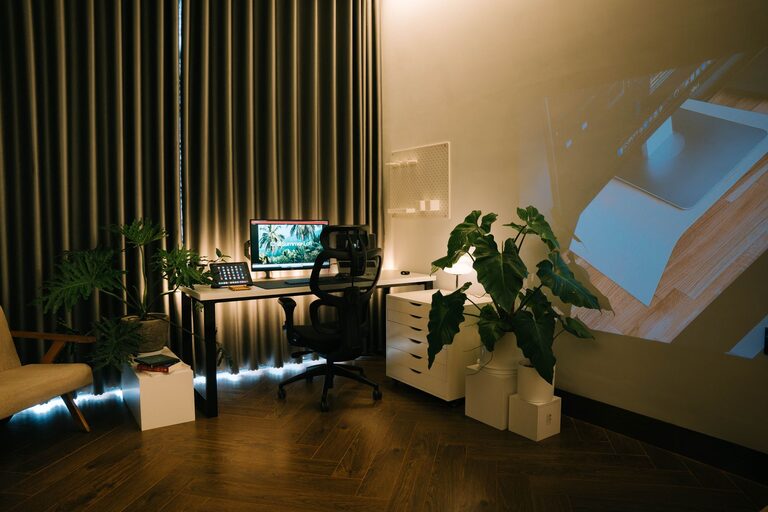
Indoor plants improve air quality and add a touch of nature. Low-maintenance plants like succulents or pothos are excellent choices for a home office.
Display Inspiring Items
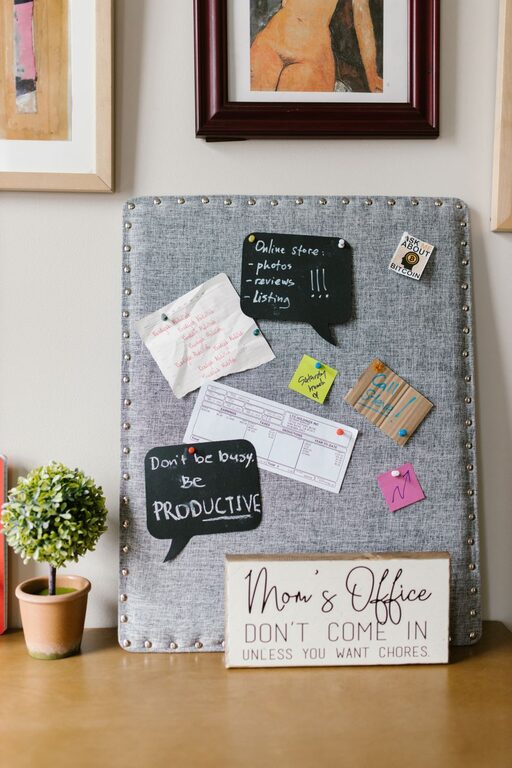
Incorporate artwork, photos, or motivational quotes that make you feel calm and inspired without overwhelming your senses.
Enhancing Comfort and Ergonomics
Invest in Ergonomic Accessories
Use a keyboard and mouse that fit your hand size and reduce strain. Consider a laptop stand or monitor riser to keep your screens at eye level.
Control Temperature and Air Quality
Ensure your workspace stays at a comfortable temperature. Use fans, heaters, or air purifiers if needed to maintain fresh air and a pleasant environment.
Managing Noise and Distractions
Use Sound Solutions
If external noise is distracting, soundproof your space with rugs, curtains, or acoustic panels. Alternatively, play soft background music or nature sounds to mask disruptive noises.
Set Boundaries
Communicate your work hours and space boundaries to family members or roommates to reduce interruptions during work time.
Incorporating Relaxation Techniques
Take Regular Breaks
Schedule short breaks to stretch, breathe deeply, or meditate. A relaxed mind is more focused and productive.
Create a Relaxation Corner
If space allows, set up a small area with a comfortable chair or cushion for quick mental resets during your workday.
Keeping Your Workspace Healthy
Maintain Good Lighting
Avoid glare on your screens by positioning lights properly. Adjust your screen brightness to match ambient light.
Keep Clean and Fresh
Dust and clean your workspace regularly to maintain a healthy environment. Use natural air fresheners like essential oils for a calming scent.
Final Tips for a Successful Workspace
– Start Small: Make gradual changes rather than overhauling your entire space at once.
– Stay Flexible: Adapt your workspace as your needs change.
– Limit Digital Clutter: Organize files and emails to reduce mental clutter.
– Use Timers: Work in focused intervals using techniques like the Pomodoro method.
Creating a relaxing home workspace takes time and thoughtful planning, but the benefits for your productivity and well-being are well worth the effort. With a calm environment tailored to your needs, you’ll find working from home more enjoyable and efficient.
About the Author