
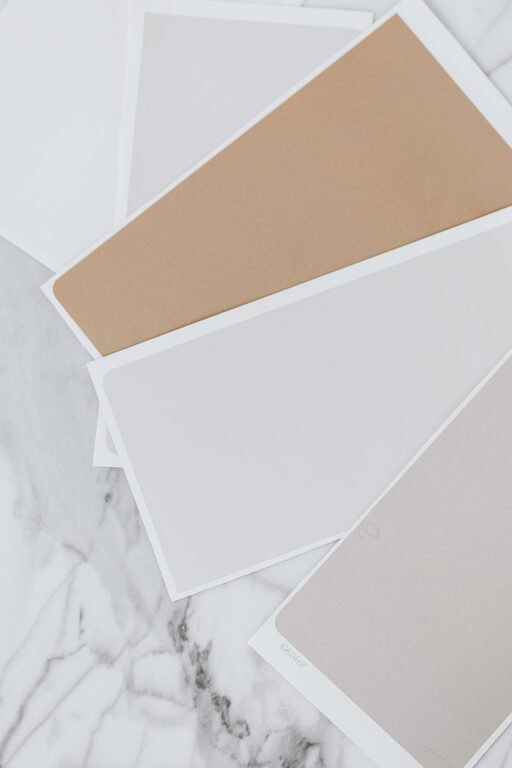
Creating a peaceful and calming atmosphere in your home often starts with the colors you choose for your walls, furniture, and décor. Colors have a significant impact on our mood and can influence how relaxed or energized we feel. If you’re looking to turn your living space into a sanctuary of calm, selecting the right colors is key. This guide offers practical tips to help you choose calm colors for your home that promote tranquility and comfort.
Understanding the Role of Color in Creating Calmness
Before diving into specific color choices, it’s important to understand how colors affect our emotions:
– Cool Colors such as blues, greens, and certain shades of purple tend to have a calming effect because they remind us of nature, water, and open spaces.
– Neutral Colors like beige, soft grays, and off-whites provide a subtle, unobtrusive backdrop that helps balance brighter accents.
– Warm Colors such as soft peach or muted yellow can add warmth without overwhelming the senses if chosen carefully.
Knowing this helps you make more intentional choices that support the mood you want.
Tips for Choosing Calm Colors for Your Home
1. Consider the Room’s Purpose
Different rooms serve different functions, so think about the mood that suits each space:
– Bedrooms: Ideal for deep relaxation. Soft blues, gentle greens, or pale lavenders encourage restfulness.
– Living Rooms: Since these are social spaces, consider warm neutrals or muted blues that invite conversation without distraction.
– Home Offices: Choose colors that enhance focus but don’t cause stress, like light greens or gentle taupes.
Matching the color to the room’s purpose helps you maintain a consistent sense of calm throughout your home.
2. Opt for Soft, Muted Shades
Bright, saturated colors can be stimulating rather than calming. Instead, aim for:
– Soft pastels, like dusty rose or powder blue
– Muted earth tones, such as sage green or sand
– Light neutrals with warm or cool undertones
These shades reduce visual noise and create a soothing environment.
3. Use Color Combinations Wisely
Combining calm colors can enhance the overall effect. Here are some ideas:
– Monochromatic schemes: Use varying shades of one color, like different blues, to create depth while keeping calmness.
– Analogous colors: Choose colors next to each other on the color wheel, such as blue and green, for harmony.
– Accent colors: Add small splashes of a soft accent color to neutral rooms, such as muted coral or lavender, to avoid monotony while staying gentle.
Avoid high-contrast colors that can disrupt the peaceful vibe.
4. Test Colors in Different Lighting
Lighting drastically changes how colors appear:
– Natural sunlight shows colors at their truest.
– Warm indoor lighting can make colors feel cozier or sometimes more yellow.
– Cool lighting tends to bring out blues and greens more strongly.
Before painting a whole room, test paint samples on your walls at different times of the day to ensure the color remains calm and appealing under all lighting conditions.
5. Consider the Finish and Texture
The way paint reflects light also influences calmness:
– Matte or eggshell finishes diffuse light softly, reducing glare and enhancing the tranquil mood.
– Glossy finishes can feel more energetic and are better suited for smaller areas or accents.
Soft textures in fabrics and furniture further complement calm colors, such as linen curtains or plush area rugs.
6. Bring Nature Inside
Nature-inspired colors naturally evoke calm. Think about:
– Leafy greens
– Sky blues
– Earthy browns and tans
You can also add plants and natural materials like wood or stone to complement these colors and deepen the relaxing atmosphere.
7. Keep It Balanced
While calm colors are soothing, too much of the same shade can feel dull. Balance your palette by:
– Mixing colors with different tones and intensities
– Adding neutral spaces to give the eyes a break
– Integrating colored accents through pillows, art, or décor items
This approach keeps your home peaceful but visually interesting.
Final Thoughts
Choosing calm colors for your home is a wonderful way to create a peaceful retreat from the bustle of everyday life. By considering the room’s purpose, opting for soft shades, experimenting with combinations, and paying attention to lighting and finishes, you can select colors that promote relaxation and comfort. Remember, a calm color palette doesn’t mean your home has to be boring—it can be full of subtle beauty that makes you feel truly at ease.
Take your time exploring colors and enjoy the process of transforming your home into a serene haven.
About the Author