
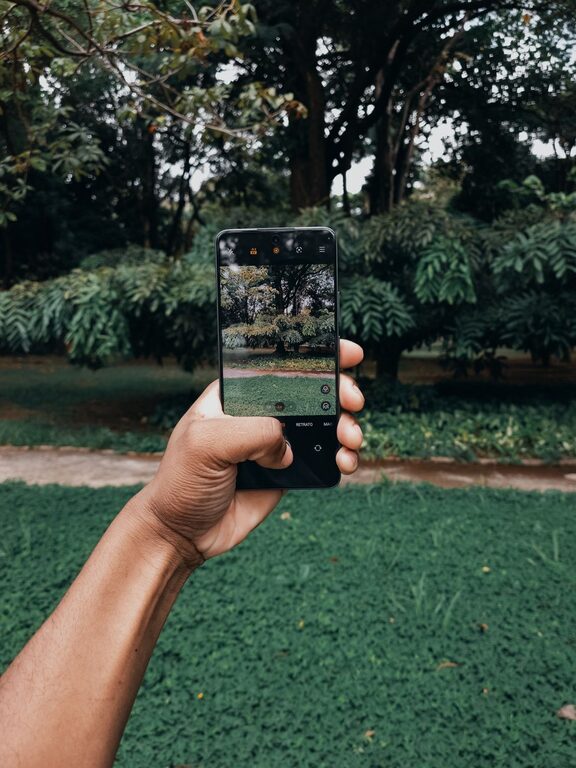
Taking great photos with your phone is easier than ever thanks to advances in camera technology. Whether you’re capturing a sunset, a family gathering, or just everyday moments, a few simple tips can help you take better pictures and make the most of your smartphone’s camera. This guide covers essential beginner tips to help you improve your phone photography, no matter your skill level.
1. Clean Your Lens Regularly
One of the easiest ways to take clearer photos is to keep your phone’s lens clean. Since phones are often in pockets or bags, dust, fingerprints, and smudges can accumulate on the lens and reduce photo quality.
– Use a microfiber cloth to gently wipe the lens.
– Avoid using harsh chemicals or rough materials that could scratch the lens.
– Clean the lens before starting your photo session to ensure sharp images.
2. Understand Your Phone Camera’s Features
Modern smartphones come equipped with a variety of features like HDR, portrait mode, night mode, and more. Spending some time exploring your camera’s settings can help you utilize the right mode for different scenarios.
– HDR (High Dynamic Range): Helps balance bright and dark areas in high-contrast scenes.
– Portrait Mode: Creates a blurred background effect, emphasizing the subject.
– Night Mode: Improves low-light photos by capturing more detail.
Experiment with these modes to see how they affect your photos.
3. Focus on Lighting
Lighting is one of the most important factors in photography. Good lighting can make even simple subjects look amazing.
– Use natural light whenever possible. Early morning and late afternoon provide soft, warm light known as the “golden hour.”
– Avoid harsh midday sun that creates strong shadows.
– When indoors, position your subject near windows for natural lighting.
– If using flash, try to soften it with a small piece of tissue or turn it off to avoid overexposure.
4. Hold Your Phone Steady
A steady hand prevents blurry photos caused by camera shake.
– Hold your phone with both hands for more stability.
– Tuck your elbows close to your body.
– If possible, lean against a wall or steady your phone on a surface.
– Use the volume button or a remote shutter to take the photo without tapping the screen.
5. Composition Matters
Good composition helps you create visually appealing photos.
– Follow the Rule of Thirds: Imagine breaking the image down into thirds horizontally and vertically. Place important elements along these lines or at their intersections.
– Use leading lines to guide the viewer’s eye through the photo.
– Frame your subject using natural elements like trees or doorways.
– Avoid cluttered backgrounds that distract from the main subject.
6. Get Closer Instead of Zooming
Digital zoom reduces image quality by cropping and enlarging, which can make photos appear pixelated or blurry.
– Instead of zooming, move closer to your subject.
– If physical movement isn’t possible, consider cropping the photo after taking it.
– Some phones have optical zoom lenses—use these if available for better results.
7. Take Multiple Shots
Don’t rely on just one photo to capture the moment.
– Take several shots from different angles and distances.
– Experiment with different lighting and compositions.
– This increases your chances of getting the perfect photo.
8. Edit Your Photos Lightly
Basic editing can enhance your photos but avoid over-editing.
– Use built-in editing tools or free apps to adjust brightness, contrast, and saturation.
– Crop the image to improve composition.
– Avoid heavy filters that alter the natural look of the photo.
– Save your edits as copies to keep the original intact.
9. Use Grid Lines for Better Alignment
Most phone cameras have a grid option that overlays a tic-tac-toe style grid on your screen.
– Turning on grid lines helps with aligning your shot and applying the Rule of Thirds.
– It’s especially helpful for landscapes or architectural photography.
10. Practice Regularly
Like any skill, photography improves with practice.
– Take photos daily or whenever you have some free time.
– Review your photos and note what you like or want to improve.
– Try different subjects, lighting conditions, and camera modes.
—
By following these beginner tips, you’ll notice a significant improvement in your phone photos. Remember, the best camera is the one you have with you — and with a few simple techniques, your phone can take incredible pictures that capture your favorite moments beautifully. Happy shooting!
About the Author