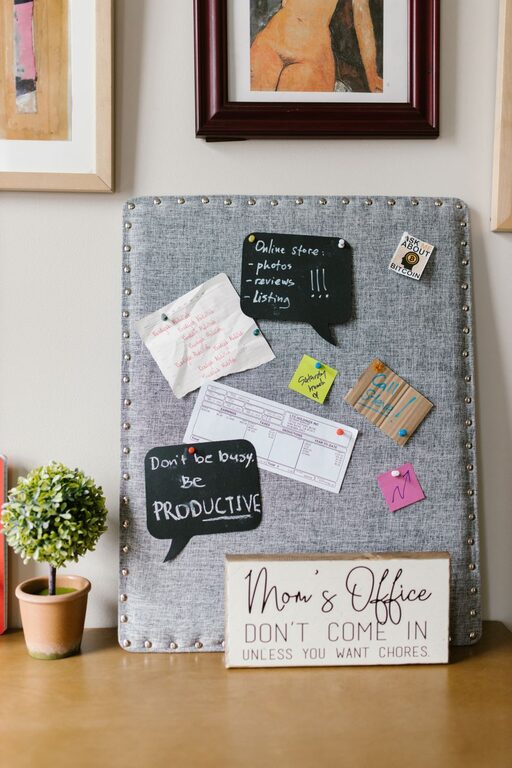
Paper clutter can quickly accumulate in any household, leading to frustration and disorganization. Bills, receipts, mail, school papers, and miscellaneous notes often pile up, making it difficult to find what you need and creating unnecessary stress. Luckily, there are simple and practical ways to reduce paper clutter and maintain a tidier home. In this post, we’ll explore easy-to-follow tips that can help you manage paper efficiently and keep your living space clutter-free.
Why Reducing Paper Clutter Matters
Before diving into tips, it’s helpful to understand why managing paper clutter is important:
– Saves time: Finding important documents becomes easier.
– Promotes calmness: A neat environment supports peace of mind.
– Protects important info: Less chance of losing important papers.
– Supports the environment: Reducing paper waste helps conserve resources.
With these benefits in mind, let’s explore concrete steps to tame paper clutter.
1. Sort and Purge Regularly
Start by sorting through your existing paper collection. Dedicate time to go through your papers, dividing them into categories such as:
– Bills and statements
– Mail and advertisements
– Receipts
– School or work documents
– Personal notes and reminders
When sorting, be ruthless about what you keep. Recycle or shred papers that are no longer needed, such as old bills that have been paid, expired warranties, or promotional mail. Keeping only what’s necessary reduces bulk and makes organizing easier.
2. Create a Simple Filing System
A clear filing system is key to maintaining order. Use labeled folders, binders, or accordion files to separate documents by category. Some common categories include:
– Financial (bills, statements, tax documents)
– Medical records
– Household (manuals, warranties)
– Personal (certificates, insurance)
– School or work
Set up your filing area in a convenient spot like a desk or cabinet, and store only current or important documents. This system helps you locate papers quickly and can be adjusted as needs change.
3. Go Digital Whenever Possible
One of the most effective ways to reduce paper clutter is to switch to digital alternatives:
– Opt for electronic billing and statements: Most utility companies and banks offer paperless options.
– Scan important documents: Use a scanner or smartphone app to digitize receipts, paperwork, and notes.
– Organize digital files: Create folders on your computer or cloud storage to keep documents accessible and secure.
– Use note-taking apps: Replace paper sticky notes or notebooks with digital apps for reminders and checklists.
Digital storage cuts down on physical paper and helps keep information backed up and easy to find.
4. Manage Incoming Mail Efficiently
Mail is a major source of paper clutter. To control this:
– Sort mail immediately: Designate a spot for incoming mail and go through it daily or weekly.
– Discard junk mail at once: Use opt-out services to reduce unsolicited mail.
– Use a mail organizer: A simple tray or wall pouch can keep mail contained.
– Address urgent items right away: Pay bills or respond to important letters promptly to avoid pileups.
Having a routine for mail helps keep it from overwhelming your space.
5. Limit Paper Usage in Everyday Life
Prevent clutter before it starts by reducing paper consumption at home:
– Print only when necessary: Preview documents before printing and consider reading or sharing electronically.
– Use reusable notebooks or whiteboards: Jot down notes, shopping lists, and reminders in formats you can reuse.
– Recycle scraps and scrap paper: Use the backs of printed pages for notes or children’s drawings before recycling.
– Communicate digitally: Share schedules, shopping lists, and reminders through apps or messaging.
These habits reduce the amount of paper entering your home.
6. Establish a Paper Clutter Routine
Consistency helps maintain progress. Set aside time weekly or monthly to:
– Review and file papers
– Shred sensitive documents no longer needed
– Clear your desktop or kitchen counter of papers
– Update and maintain your filing system
By making paper management a regular habit, you prevent clutter from building up again.
7. Use Smart Storage Solutions
Choose organizers that fit your space and style:
– File boxes or magazine holders
– Desk organizers with compartments
– Wall-mounted folders or file racks
– Label makers to keep folders clear
Investing in these solutions helps keep paper tidy and accessible.
Final Thoughts
Reducing household paper clutter is achievable with a few simple habits and systems. By sorting regularly, creating an easy filing system, embracing digital options, managing mail conscientiously, and establishing routines, you can enjoy a more organized, calm living environment. Start small and build these practices into your daily life for lasting results. Your home and peace of mind will thank you!
About the Author